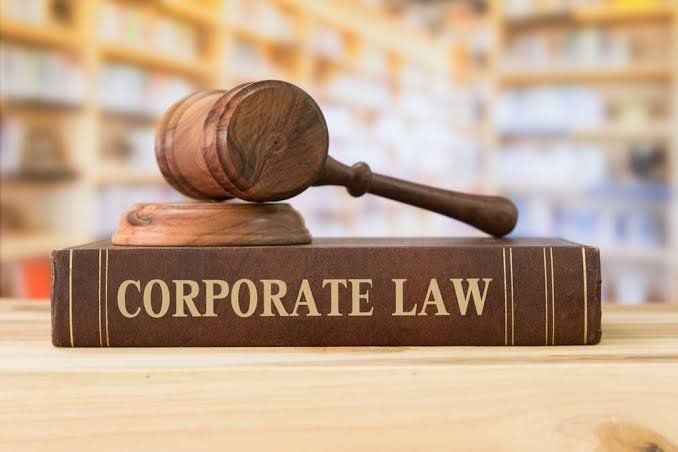
Corporate law in India continues to evolve through important decisions of the Supreme Court of India concerning insolvency, commercial disputes, corporate governance, creditor rights and the interpretation of business laws. For businesses and parties involved in corporate disputes, understanding these developments can be important when a matter is being handled before courts or tribunals in Delhi.
For readers searching for Supreme Court corporate law judgment 2026 in Saket Court, it is important to understand that a Supreme Court judgment and a proceeding before Saket Court are separate matters. However, Supreme Court precedents can be highly relevant when similar legal questions arise before courts in Delhi.
For information about legal services, visit https://jurionex.com/.
Key Takeaways
- Supreme Court decisions can clarify important principles of corporate and commercial law.
- Insolvency and Bankruptcy Code matters remain an important area of corporate litigation.
- Corporate disputes can involve companies, directors, shareholders, creditors and financial institutions.
- Supreme Court precedents can become relevant in appropriate proceedings before courts in Delhi.
- The exact applicability of a judgment depends on the facts, legislation and legal issue involved.
- Legal judgments should always be verified from the original court decision before being relied upon.
What Is a Supreme Court Corporate Law Judgment?
A Supreme Court corporate law judgment is a decision concerning legal issues affecting companies, businesses, directors, shareholders, creditors or commercial transactions.
Corporate litigation may involve:
- Company law disputes
- Insolvency proceedings
- Corporate guarantees
- Shareholder disputes
- Director-related disputes
- Commercial contracts
- Corporate restructuring
- Banking disputes
- Securities and regulatory matters
- Winding-up proceedings
- Commercial arbitration
- Business-related property disputes
The appropriate legal remedy depends on the facts and the legislation applicable to the dispute.
Important Corporate Law Developments in 2026
The Supreme Court has continued to decide significant corporate and insolvency matters during 2026.
One notable judgment is Torrent Power Ltd. v. Ashish Arjunkumar Rathi & Others, decided on 27 February 2026. The matter involved issues under the Insolvency and Bankruptcy Code, 2016 and considered the role of the Committee of Creditors in the corporate insolvency resolution process.
The Supreme Court discussed the creditor-driven framework of the IBC and the importance of the commercial wisdom of the Committee of Creditors.
This type of judgment can be relevant to companies, creditors, resolution applicants and professionals involved in insolvency proceedings.
Committee of Creditors and Commercial Wisdom
The Committee of Creditors has an important role in the corporate insolvency resolution process.
When a resolution plan is considered, questions may arise regarding:
- Commercial viability
- Distribution among creditors
- Resolution-plan terms
- Financial creditors
- Resolution applicants
- Judicial review
- Compliance with the IBC
The Supreme Court’s decisions in this area are important because they help explain the relationship between commercial decision-making and judicial scrutiny.
However, commercial wisdom does not mean that every decision is automatically beyond judicial examination. The applicable provisions of the IBC and the circumstances of the case remain important.
Corporate Insolvency and the IBC
The Insolvency and Bankruptcy Code, 2016 provides a legal framework for resolving insolvency-related issues involving corporate debtors.
Corporate insolvency proceedings can affect:
- Companies
- Financial creditors
- Operational creditors
- Corporate guarantors
- Resolution professionals
- Resolution applicants
- Employees
- Shareholders
- Investors
For a company facing financial difficulties, early legal assessment can help identify the available options and potential consequences.
Corporate Guarantees
Corporate guarantees are another important area of corporate and insolvency litigation.
A corporate guarantee may create significant financial exposure for the guarantor when the principal borrower defaults.
Disputes can involve questions concerning:
- Guarantee agreements
- Default
- Invocation of guarantees
- Financial debt
- Liability of guarantors
- Insolvency proceedings
- Creditor claims
- Resolution plans
The legal position depends on the wording of the guarantee, the facts and the applicable statutory provisions.
Why Supreme Court Precedents Matter in Saket Court Matters
A Supreme Court judgment may become relevant to proceedings before a Delhi court when a similar legal issue arises.
For example, a corporate dispute may involve a question that has already been interpreted by the Supreme Court.
A lawyer handling such a case may therefore examine:
- The relevant Supreme Court judgment
- The statutory provision involved
- The facts considered by the Supreme Court
- The legal principle established
- Subsequent judgments
- Whether the principle applies to the current dispute
This is more useful than relying simply on a judgment’s headline or a short online summary.
Supreme Court Corporate Law Judgment 2026 in Saket Court
The phrase Supreme Court corporate law judgment 2026 in Saket Court should not be interpreted as suggesting that the Supreme Court is a part of Saket Court.
The two are separate judicial forums.
Supreme Court of India
The Supreme Court is India’s highest constitutional court. Its decisions can establish legal principles that are binding on courts in India in accordance with Article 141 of the Constitution.
Saket Court
Saket Courts handle various civil, criminal and other matters falling within their jurisdiction in South Delhi.
Depending on the nature of a corporate dispute, the appropriate forum may instead be the National Company Law Tribunal, Delhi High Court, arbitration forum or another competent authority or court.
Therefore, jurisdiction must be examined carefully before commencing litigation.
Corporate Disputes That May Require Legal Assistance
Businesses may face different forms of corporate disputes.
Shareholder Disputes
Disagreements may concern ownership, voting rights, management control or corporate governance.
Director Disputes
Issues may arise concerning appointment, removal, responsibilities or alleged misconduct.
Contractual Disputes
Companies may become involved in disputes concerning commercial agreements, services, supplies, financing or business transactions.
Insolvency Disputes
Financial distress can result in proceedings under the IBC.
Commercial Disputes
Businesses may also face disputes relating to payments, contractual obligations, business relationships and other commercial issues.
Importance of Verifying Supreme Court Judgments
Legal professionals and businesses should verify judgments through authoritative sources before relying on them.
A proper verification should include:
- Case name
- Case number
- Judgment date
- Bench
- Relevant statutory provisions
- Legal issue
- Final decision
- Ratio of the judgment
- Subsequent decisions
The Supreme Court provides official facilities for accessing judgments and case information.
The Court’s official Landmark Judgment Summaries section can also help readers locate selected important decisions, although the original judgment should remain the primary authority.
How a Corporate Lawyer Can Help
Corporate litigation can involve complex questions of company law, insolvency, contracts and commercial transactions.
Legal assistance may include:
- Corporate dispute assessment
- Legal research
- Drafting petitions and applications
- Contract review
- Insolvency-related proceedings
- Shareholder disputes
- Commercial litigation
- Corporate advisory
- Regulatory disputes
- Appeals and related proceedings
For information about legal services, visit https://jurionex.com/.
What Businesses Should Learn From Recent Judgments
Recent corporate-law developments highlight several practical points.
Keep Corporate Documents Organised
Companies should maintain proper records of agreements, board decisions, financial arrangements and other important transactions.
Review Guarantees Carefully
Corporate guarantees can create substantial financial obligations and should be reviewed before execution.
Monitor Legal Developments
Businesses operating in regulated sectors should monitor important changes in legislation and judicial interpretation.
Verify Legal Research
Case citations and legal propositions should be checked against the original judgment.
Obtain Advice Before Litigation
Early legal assessment can help identify jurisdiction, potential remedies and litigation risks.
Frequently Asked Questions
What is the Supreme Court corporate law judgment 2026 in Saket Court?
Supreme Court corporate law judgment 2026 in Saket Court refers to 2026 Supreme Court corporate-law developments that may be relevant to legal proceedings or corporate disputes in Delhi, including matters connected with Saket Court where legally applicable.
Can a Supreme Court judgment be relevant to a Saket Court matter?
Yes. Where the Supreme Court has decided a legal principle relevant to a matter before a competent Delhi court, that precedent may be important to the case.
Is every corporate dispute heard in Saket Court?
No. The appropriate forum depends on the nature of the dispute, applicable legislation and jurisdiction. Certain company and insolvency matters may fall within the jurisdiction of tribunals or higher courts.
What was an important Supreme Court corporate-law development in 2026?
The February 2026 Torrent Power judgment considered important issues under the IBC concerning the corporate insolvency resolution process and the commercial wisdom of the Committee of Creditors.
Why are Supreme Court judgments important for businesses?
They can clarify how legislation should be interpreted and may establish legal principles relevant to future corporate and commercial disputes.
Should businesses rely on online summaries of judgments?
Online summaries can help with initial research, but important legal decisions should be verified against the original judgment and current legislation.
Where can I find corporate legal services?
For information about legal services, visit https://jurionex.com/.
Practical Takeaways
Businesses dealing with corporate disputes should:
- Monitor important Supreme Court decisions.
- Verify judgments through official sources.
- Maintain complete corporate documentation.
- Review financing and guarantee arrangements carefully.
- Understand the consequences of corporate default.
- Identify the correct legal forum before filing proceedings.
- Examine whether a Supreme Court precedent actually applies to the facts.
- Obtain professional legal advice for complex corporate disputes.
Conclusion
The 2026 Supreme Court corporate-law landscape continues to develop through decisions involving insolvency, commercial disputes, creditor rights and corporate obligations.
The February 2026 Torrent Power judgment is an important example of the Supreme Court examining issues under the IBC and the role of the Committee of Creditors.
For businesses and individuals searching for Supreme Court corporate law judgment 2026 in Saket Court, the important point is that Supreme Court judgments and proceedings before Saket Court are separate. However, Supreme Court precedents can be highly relevant when a similar legal issue arises before a competent court in Delhi.
The applicability of any judgment should always be assessed based on the facts of the particular case, the relevant legislation and the latest judicial position.
For information about corporate and litigation-related legal services, visit https://jurionex.com/.
Legal Disclaimer: This article is for general informational purposes only and does not constitute legal advice. Corporate and commercial disputes depend on their specific facts, applicable legislation and current judicial precedents. Relevant judgments and statutory provisions should be independently verified before taking legal action.